
Gluten-Free Couscous: A Healthy and Flavourful Alternative
Couscous is an emblematic dish of Moroccan cuisine, but it is traditionally made from wheat semolina, and therefore rich in gluten. For people who are intolerant or sensitive to gluten, this constraint may seem to rule out a dish so deeply rooted in our culture. That is not the case. At The Green Souk, we offer several varieties of naturally gluten-free couscous, made from cereals and legumes that provide a healthy, nourishing, and flavourful alternative.
Gluten: Much More Than a Question of Coeliac Disease
Gluten-free is often associated solely with coeliac disease. The reality is broader. Coeliac disease is an autoimmune condition affecting around 1% of the population and causing inflammation of the intestinal lining as soon as gluten is consumed. The only treatment remains a strict and total elimination of gluten.
But there are also non-coeliac gluten sensitivities, which are far more common. They manifest as bloating, intestinal inflammation, abdominal pain, persistent fatigue, or even headaches after consuming wheat or other gluten-containing cereals. These symptoms, while not dangerous in the long term, impair quality of life and deserve to be taken seriously.
Reducing or eliminating gluten from one's diet can therefore benefit far more people than one might think: those who digest wheat poorly, those suffering from chronic digestive issues, those simply looking to lighten their diet, or those wishing to vary the cereals they consume.
Couscous Produced in a Separate Environment, Suitable for Strict Coeliacs
At The Green Souk, our gluten-free couscous is produced in a separate environment, on dedicated lines, with no contact with gluten-containing cereals. This precaution guarantees the absence of cross-contamination and allows people with coeliac disease to consume them safely.
They are therefore suitable for:
-
People with coeliac disease, who must follow a strict lifelong diet.
-
People with non-coeliac gluten sensitivity, who experience bloating, digestive discomfort, or inflammation.
-
Those who wish to reduce their gluten intake to feel better.
-
Anyone looking to diversify their cereals and discover new flavours.
Our Gluten-Free Couscous
At The Green Souk, we have selected several gluten-free couscous varieties, sourced from the Bio Salim Cooperative in Chefchaouen, which values mountain crops grown using agroecological methods.
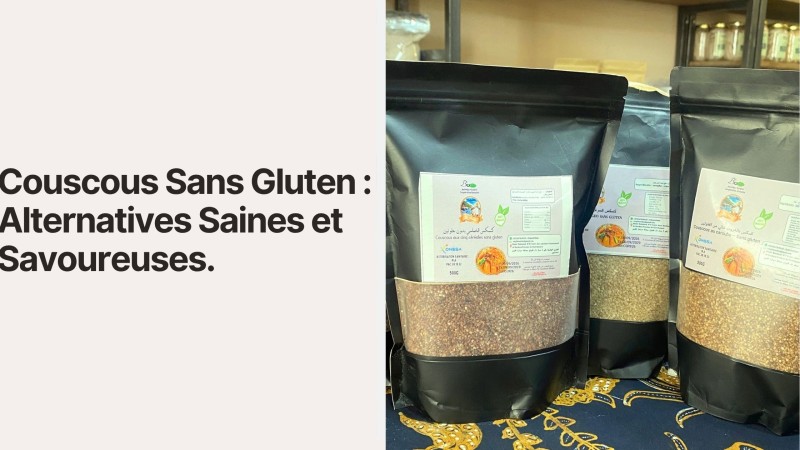
Amerkis Couscous. Originating from the Berber villages of the Chefchaouen mountains, this couscous is a traditional blend of lentils, chickpeas, millet, carob, sorghum, and yellow maize. Rich in fibre and plant proteins, it is an excellent alternative to classic wheat-based couscous. Its texture remains firm after cooking, its flavour is deep and slightly rustic, and its preparation is quick. Suitable for those following a gluten-free, vegetarian, or simply balanced diet, it pairs perfectly with seasonal organic vegetables and a drizzle of extra virgin olive oil.
Carob & Millet Couscous. Made from carob flour obtained from the ripe pods of century-old carob trees, typical of the Chefchaouen region, combined with millet, a naturally gluten-free cereal. Carob is known for its natural sweetness, its richness in fibre, and its slightly caramelised chocolate aroma. It is an excellent natural alternative to cocoa. This couscous is nourishing, easy to digest, and can be enjoyed in either savoury or sweet versions.
Artisanal Multigrain Couscous. Composed of naturally sweet carob, yellow maize, energising sorghum, chickpeas rich in plant proteins, and light millet, this couscous offers a soft texture and a perfectly balanced flavour. Handmade by women in Chefchaouen using traditional methods, it is ideal for those seeking a nutritious alternative to classic couscous.
The Bio Salim Cooperative: A Commitment to Agroecology and Ancient Seeds
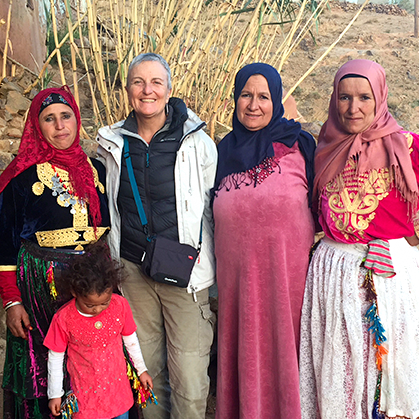
The Bio Salim Cooperative in Chefchaouen is much more than a simple supplier. Founded in 2019 by five women, it now has around thirty members and has set itself the mission of valuing local resources while supporting small producers in the region.
Its president, Ihssan Hamoudan, has carried out remarkable work collecting seeds from rural communities to rebuild an almost vanished seed heritage. "I collected these seeds in rural areas from women and elders. The remaining quantities were very small. So we relaunched their cultivation," she explains. The cooperative now conserves historic varieties, including a bean several centuries old, local lentils, and the red cowpea "Foul Gnawa".
The cooperative's commitment to agroecology is at the heart of its action. It promotes environmentally respectful farming practices, without pesticides or synthetic chemical fertilisers, and supports local small farmers. The cooperative also works to preserve traditional Beldi seeds, those ancient varieties adapted to local conditions and passed down from generation to generation.
The cooperative's products carry a "historical heritage" that goes beyond their nutritional value: the seeds it uses arrived in Morocco over six centuries ago, brought by trade caravans or with the arrival of the Moriscos, before being marginalised by modern varieties. By choosing these couscous varieties, you are participating in the safeguarding of this living heritage and supporting peasant agriculture rooted in its territory.
Couscous Rich in Plant Proteins
One of the major assets of these gluten-free couscous varieties is their richness in plant proteins. The complementarity between cereals and legumes provides a more balanced amino acid profile than a cereal consumed alone. Chickpeas and lentils provide lysine, an essential amino acid often deficient in cereals. This combination therefore allows for more effective coverage of protein needs, which is particularly valuable for those following a vegetarian or vegan diet.
How to Prepare and Enjoy Them
Preparing these couscous varieties is simple and quick. Most are precooked or can be rehydrated in hot water in a few minutes, or steamed using the traditional method.
They pair perfectly with seasonal vegetables, spicy tomato sauces, or vegetarian dishes. They can also be used in more creative recipes: cold salads, gratins, or even sweet versions with dried fruits and mild spices.
For a complete and balanced meal, serve your gluten-free couscous with seasonal organic vegetables, a drizzle of extra virgin olive oil, and optionally chickpeas or meat according to your preferences.
The Green Souk: Local and Committed Alternatives
At The Green Souk, our commitment is to offer you healthy, flavourful, and accessible alternatives, sourced from local producers. Our gluten-free couscous comes from the Bio Salim Cooperative in Chefchaouen, which values ancient crops, grown using agroecology, without pesticides or synthetic chemical fertilisers.
By choosing these couscous varieties, you are supporting peasant agriculture, discovering forgotten cereals, and accessing a gluten-free diet that gives up neither flavour nor tradition.
Discover our gluten-free couscous in our selection of terroir products. Follow our news on Instagram, Facebook, and our WhatsApp group so you don't miss any of our arrivals.