
Dried figs are much more than a simple dried fruit. In Morocco, they embody an ancestral tradition, a know-how passed down from generation to generation, and a concentrate of flavours found on family tables as well as in the most creative recipes. Originating from regions such as Taza, Ouezzane, and many others, these figs tell the story of a terroir and a culture.
Origin and Terroirs
The fig tree has been cultivated in Morocco for centuries, particularly in mountainous regions and oases. The region of Taza, in the north-east of the country, is renowned for its quality dried figs. In Ouezzane, in the Rif region, the production of dried white figs is a local specialty, supported by cooperatives that value this terroir product.
Morocco has a great diversity of fig varieties, with 51 cultivars recorded in the oasis and Atlas regions. Certain varieties such as Mrotchi, Tabkhant, and Ain Hajla stand out for their richness in polyphenols and their high antioxidant activity.
Sun-Drying: A Traditional Method
The transformation of fresh figs into dried figs relies on a simple and natural method: sun-drying. Figs intended for drying are left on the tree until an advanced stage of maturity, until they become soft, wrinkled, and detach easily.
After harvesting, the figs are exposed to the sun on racks or mats, then turned regularly to ensure even drying. At night, they are covered to protect them from moisture and pests. This slow, natural process concentrates the sugars, minerals, and fibre, giving dried figs their honeyed texture and intense flavour.
The Fig Necklaces of Taza
In certain regions, particularly in Taza, dried figs are traditionally sold loose, threaded on a string to form necklaces. This presentation, both practical and aesthetic, allows the figs to be hung for storage while protecting them from moisture. Fig necklaces are a familiar sight in local markets, bearing witness to ancestral know-how.
The Jnane Rif Cooperative of Ouezzane
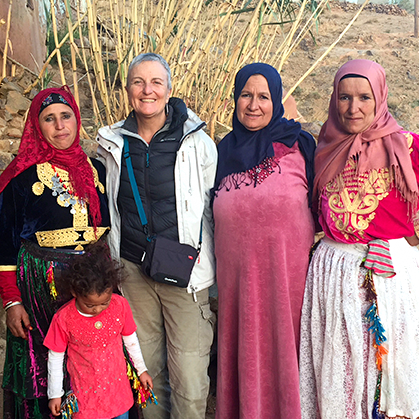
In Ouezzane, the Jnane Rif Cooperative perpetuates the tradition of dried figs with a modern and committed approach. Founded in December 2006 by a group of young university graduates, including five women among nine founding members, the cooperative now has 20 members, 14 of whom are women. Its main activity is the production of dried white figs, an indigenous species of the Rif region, as well as prunes and raisins.
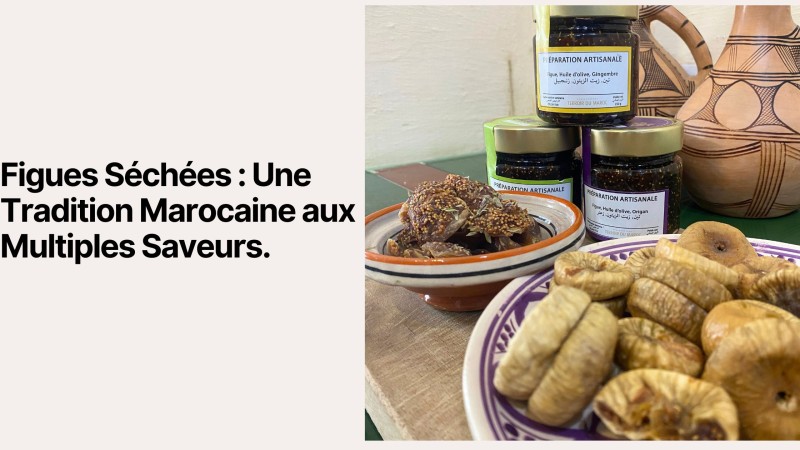
The figs from the Jnane Rif Cooperative are dried in an electric dryer, without added preservatives, then vacuum-packed to preserve their quality. The cooperative also flavours its figs with thyme or oregano, a practice that adds an extra taste dimension to this already exceptional product.
A Remarkable Energy Contribution
Dried figs are a concentrate of energy. Their carbohydrate content exceeds 55% after drying, compared to around 13% for fresh figs. A 100 g portion of dried figs provides around 250 to 270 kcal.
But this calorie intake comes with remarkable nutritional richness. Dried figs are rich in fibre(around 10 g per 100 g), calcium (162 mg), potassium (680 mg), iron (3.07 mg), and magnesium(68 mg). A single dried fig provides around 2 g of fibre, or 20% of the recommended daily intake.
Why Eat Dried Figs?
Dried figs offer numerous health benefits. Their richness in fibre promotes intestinal transit and provides a lasting feeling of satiety. They are particularly valuable for people with increased iron or calcium needs, such as pregnant women or those with deficiencies.
Dried figs are also an excellent source of antioxidants. A scientific study demonstrated that dried figs produce a significant increase in plasma antioxidant capacity for four hours after consumption. Their polyphenols help protect cells against oxidative stress.
Finally, dried figs are naturally gluten-free and lactose-free, making them suitable for many diets.
How to Enjoy Them?
Dried figs can be enjoyed in many ways.
As a snack: one or two figs are enough for an energy-giving and satisfying snack, ideal for small hunger pangs or before physical exertion.
With cheese: pairing dried figs with fresh goat's cheese or blue cheese is a classic. The sweet softness of the fig perfectly balances the character of the cheese.
In baking: dried figs can be incorporated into energy balls, biscuits, cakes, and tarts. Blended with almonds and honey, they form energy bites ideal for sport.
In savoury dishes: dried figs bring a sweet-savoury note to tagines, stews, and composed salads.
Dried Fig Pâté: A Spread with a Thousand Variations
Among the delicacies that can be prepared with dried figs, fig pâté — or fig tapenade — holds a special place. This creamy preparation, halfway between sweet and savoury, can be spread on toasted bread, served with cheeses, or enjoyed by the spoonful.
The Base: Figs, Olive Oil, and Garlic
The base recipe is disarmingly simple. Soak the dried figs for about thirty minutes in warm water to soften them. Then blend them with extra virgin olive oil, a clove of garlic, and possibly a dash of lemon juice or a spoonful of balsamic vinegar to balance the fruit's sweetness. The result: a dense, fragrant paste where the honeyed sweetness of the fig meets the depth of garlic and the roundness of olive oil.
Aromatic Variations: Oregano, Ginger, Thyme
This is where creativity comes into play. Oregano brings a herbaceous, slightly peppery note that balances the natural sweetness of the fig. The Jnane Rif cooperative offers dried figs flavoured with oregano, a specialty of the Ouezzane region. Ginger, fresh or powdered, adds a gentle warmth and a hint of spice that awakens the spread. Thyme, finally, with its resinous and Mediterranean notes, prolongs the flavour of the fig on the palate.
For a more substantial spread, pitted black olives can be added and the mixture blended coarsely: this produces a sweet-savoury tapenade, ideal for an appetiser. A touch of capers or fresh rosemary can also enrich the preparation.
How to Enjoy It
Fig pâté can be spread on slices of toasted bread, crackers, or flatbreads. It pairs wonderfully with a cheese board — particularly fresh goat's cheese or blue cheese. It can also serve as a filling for pastries, a sauce for grilled meats, or a condiment to enhance a composed salad.
The Green Souk: Exceptional Dried Figs
At The Green Souk, we select dried figs from committed producers, such as the Jnane Rif Cooperative in Ouezzane, who perpetuate traditional methods while guaranteeing irreproachable quality. Our dried figs are preservative-free, flavoured with thyme or oregano for some, and carefully packaged to preserve their flavour and texture.
Discover our dried figs in our selection of dried fruits and let yourself be seduced by this treasure of Moroccan tradition. Follow our news on Instagram, Facebook, and our WhatsApp group so you don't miss any of our arrivals.