
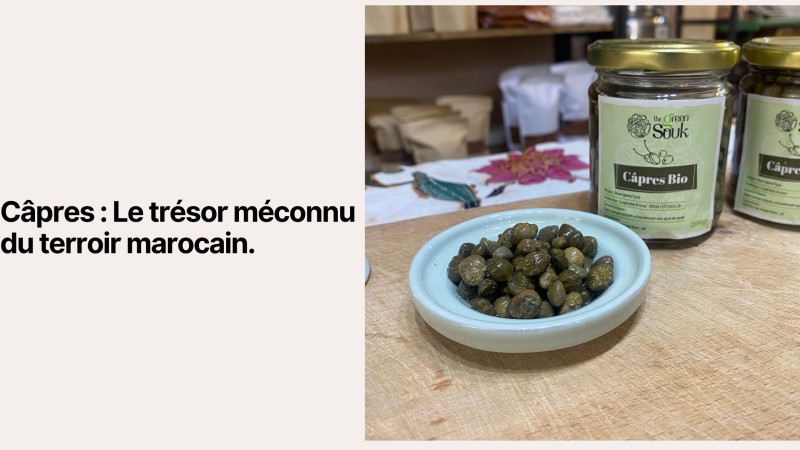
Capers: The Hidden Treasure of Moroccan Terroir
They are small, green, round, and burst in the mouth with a salty and slightly tangy flavour. Yet capers remain too discreet on Moroccan tables. This ancestral condiment, cultivated in Morocco since antiquity, is nevertheless a flavourful and nutritional treasure that the Kingdom dominates globally. The Green Souk invites you to rediscover them: a terroir product, carefully cultivated by small local producers, and full of unexpected benefits, especially for your bones.
A Moroccan Terroir Product
While capers are often associated with Italian or Provençal cuisine, Morocco is in fact the world's leading producer and exporter. This small flower bud, harvested before it blooms, is a typical Moroccan terroir product.
The main production regions are Fez and Taounate (70% of production), followed by Safi (about 20%) and Marrakech (10%). The Safi region, in particular, is emblematic: the caper bush is cultivated there on over 31,000 hectares for an annual production of nearly 24,000 tonnes.
Moroccan capers are renowned for their firm texture, silvery green colour, and varied calibre(from 1 to 11 mm). They enjoy an international reputation and the Moroccan flora is characterised by great richness. Yet less than 2% of production is consumed locally — a paradox that The Green Souk wishes to help reverse.
Cultivation and Harvesting: An Ancestral and Demanding Craft
Caper cultivation is an ancient practice in Morocco. The plant often grows wild or using traditional methods, without chemical inputs, making its cultivation practically organic. This characteristic makes it a naturally healthy and environmentally friendly product.
A Resilient Plant Adapted to Arid Lands
The caper bush is a shrub that withstands drought well, making it a particularly suitable crop for Moroccan climates. Farmers plant caper bushes in rows, with densities reaching 400 plants per hectare. During the first two years, the plants are irrigated and fertilised to establish well. Afterwards, the plant becomes self-sufficient and resilient.
Harvesting: A Meticulous and Costly Task
Caper harvesting is the most expensive operation in the sector, accounting for between 40 and 60% of total production costs. The still-closed flower buds are picked by hand, one by one, from April until November for late varieties. A worker can harvest about 2 kg per day, making this a demanding and valuable profession.
From Harvest to Your Plate: Natural Preservation
Once harvested, capers are sorted by size and washed. Preservation is the key step that brings out their flavour. Two traditional methods are mainly used:
-
Brine (salt): capers are submerged in a solution of water and salt for several weeks. This natural fermentation process softens their bitterness and develops complex aromas.
-
Vinegar: for a more tangy and crunchy flavour, capers are preserved in vinegar. This is the case for those prepared by our partner, the Coopérative Al Amal de Tiznit. This cooperative produces artisanal wild capers, hand-picked and preserved in a natural mixture of vinegar and salt, without chemicals or preservatives.
The Benefits of Capers: A Mineral Concentrate
Capers are much more than a simple condiment. They are a true concentrate of nutrientsbeneficial to the body, while being very low in calories.
An Exceptional Source of Calcium
One of the major assets of capers is their richness in calcium. This element is essential for bone and dental health, muscle contraction, and nerve transmission. Regular consumption of capers helps strengthen bone mineral density, helping to prevent osteoporosis and fracture risks.
The calcium in capers is all the more interesting as it is accompanied by other minerals that work in synergy:
-
Magnesium (33 mg/100g), which participates in fixing calcium on bones.
-
Phosphorus, which, combined with calcium, strengthens bone structure.
-
Potassium (140 mg/100g), which contributes to fluid balance and blood pressure regulation.
Powerful Antioxidants
Capers contain flavonoids and polyphenols, antioxidant compounds that protect cells against premature ageing and oxidative stress. These substances help reduce inflammation and prevent certain chronic diseases.
Essential Vitamins
Capers also provide an interesting range of vitamins: vitamin A, B vitamins (B2, B3, B9), vitamin K, and a little vitamin E. Vitamin K, in particular, plays a key role in blood clotting and bone health.
Improved Digestion
Capers are known to stimulate appetite, facilitate digestion, and relieve gastrointestinal infections. Their fibre content also contributes to good intestinal transit.
How to Use Capers in Cooking?
Capers are a versatile condiment that enhances many dishes. Their salty and tangy flavour adds character without masking other ingredients.
In Traditional Moroccan Dishes
Capers feature elegantly in Moroccan cuisine. Veal tagine with capers and preserved lemons is an emblematic recipe from the Meknès region. Capers bring salty bursts and a hint of sharpness that perfectly counterbalance the richness of the veal and the sweetness of caramelised onions.
In Sauces and Condiments
-
Tapenade: blend black or green olives with capers, garlic, anchovies, and olive oil. A Mediterranean spread par excellence.
-
Sauce vierge: capers, crushed tomatoes, basil, garlic, and olive oil. Perfect for grilled fish.
-
Caper mayonnaise: a touch of acidity that transforms a classic mayonnaise.
With Fish and Seafood
Capers pair wonderfully with fish and shellfish. Add them to skate with black butter, a mussel tagine, or tuna briouats.
In Pasta Dishes and Salads
-
Pasta puttanesca: a classic Italian dish where capers dialogue with anchovies, olives, and tomatoes.
-
Composed salads: a handful of capers enhances a potato salad, a Niçoise salad, or a pasta salad.
As a Garnish and Appetiser
-
Smoked salmon bagel: capers are the essential garnish.
-
Carpaccio and tartare: they bring sharpness and freshness.
-
Appetiser: simply served in olive oil or vinegar, they beautifully accompany a charcuterie or cheese board.
The Green Souk: Capers from Small Local Producers
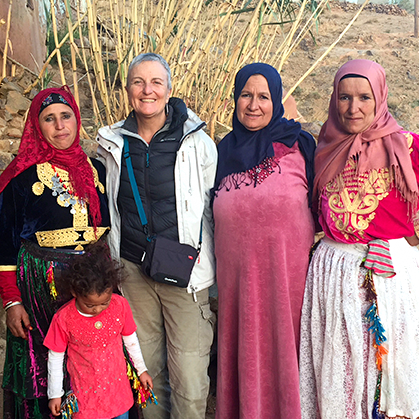
At The Green Souk, we have chosen to work with small producers and local cooperatives who perpetuate ancestral know-how. Our capers come from emblematic regions such as Safi, Fez, and Taounate, where they are cultivated using traditional methods, without chemical inputs.
We take pride in showcasing these treasures of Moroccan terroir and making them accessible to local consumers. Follow us on Instagram, Facebook, and our WhatsApp group to discover our arrivals of artisanal capers, exclusive recipe ideas, and behind-the-scenes of our partnerships with producers.
Conclusion
Capers are much more than a simple condiment. They are a Moroccan terroir product steeped in history, a health ally remarkably rich in calcium and antioxidants, and a culinary ingredient of exceptional versatility. It is time to rediscover them and invite them more often onto our plates.
At The Green Souk, we are proud to offer you capers from traditional Moroccan agriculture, cultivated and harvested with care by local producers. We invite you to explore our selection of terroir products and to follow our news on social media so you don't miss any of these flavourful treasures.